
Have you ever wondered if the government can really take your money or property over unpaid taxes? A tax levy is a serious legal action where the IRS or state authorities seize assets like your wages, bank accounts, or even your car to settle tax debts. Don’t ignore this risk; you’ve got options to fight back or negotiate. Stick with this topic to uncover how to protect yourself.
Key Takeaways
- A tax levy is a legal action by tax authorities to seize assets for unpaid taxes.
- It can target bank accounts, wages, or personal property without court approval.
- The IRS issues a Final Notice of Intent to Levy with a 30-day response window.
- Taxpayers have rights to request a hearing to challenge the levy action.
- Certain assets, like a portion of wages, may be exempt from seizure.
Understanding Tax Levies

A tax levy, at its core, is a powerful tool that tax authorities, like the IRS, wield to collect unpaid taxes by seizing your assets. When you owe back taxes, they can target your bank accounts, wages, or even personal property without needing a court order. You’ll get a Final Notice of Intent to Levy, giving you a critical 30-day window to act. Know your taxpayer rights; you can request a hearing to challenge the levy. Also, explore levy exemptions—certain assets, like a portion of your wages or essential personal items, might be protected. Don’t ignore this notice. Act fast, communicate with the IRS, or consult a tax professional to negotiate a resolution before seizure hits hard. Unlike a lien, which only claims property, a levy involves actual seizure of assets to satisfy the debt.
Different Types of Tax Levies
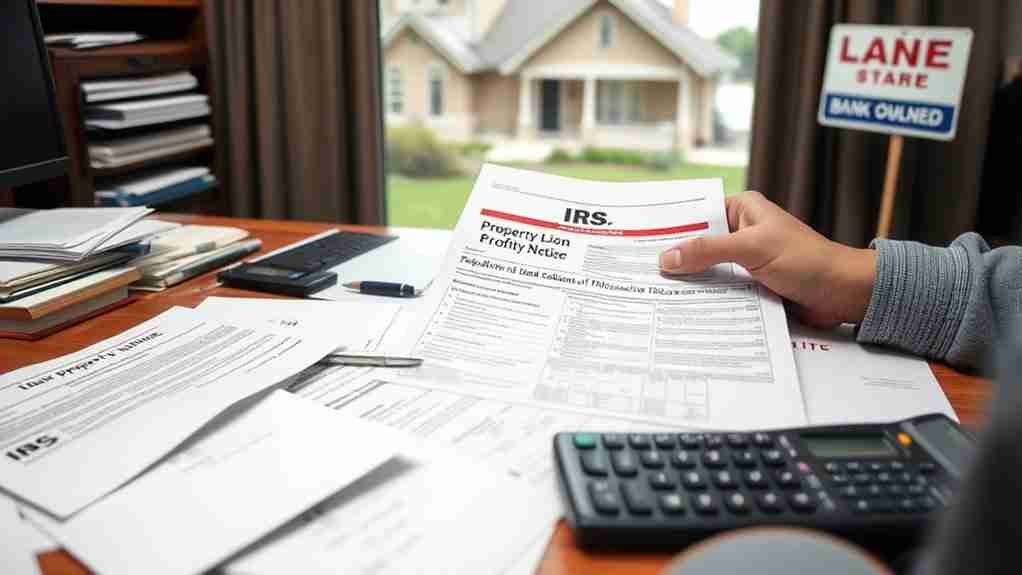
As you explore the different types of tax levies, you’ll see how they can directly hit your property, with local governments imposing taxes that might drain your home equity if unpaid. You should also watch out for income tax effects, where a levy on your wages can slash your take-home pay until the debt’s settled with the IRS. And don’t overlook bank account seizure, a harsh move where the IRS can grab your savings in one swoop, so check your notices and act fast to protect your funds. Additionally, understanding that levies can be continuous or regular is crucial, as continuous levies can affect ongoing income streams like wages until the IRS releases them.
Property Tax Impact
While property tax levies play a critical role in funding essential community services, you must understand how different types directly impact your wallet and neighborhood. Your property value determines how much you’ll pay, and these taxes support crucial community services like schools and emergency response. General levies cover everyday operations, but special levies might hit for specific projects, increasing your bill. Bond levies fund big initiatives, like new schools, while school levies focus solely on education. Emergency levies can spike costs after disasters, demanding quick payment. Check your local tax rate—often set per $1000 of assessed value—and review budgets to see where your money goes. If levies rise, expect higher property costs, so stay informed and plan accordingly. Additionally, if you believe your property value is inaccurately assessed, you can file a petition with the Board of Equalization to request an adjustment property value adjustment.
Income Tax Effects
Before you can fully grasp the impact of tax levies, understand that income tax effects strike directly at your earnings and financial stability. An income tax levy targets your wages or business revenue, creating financial stress and disrupting your daily life. You can’t ignore this; it affects your ability to pay bills or plan for the future. The IRS has the authority to issue a levy on any property or rights to property, including your income sources, if taxes remain unpaid and no payment arrangements are made levy on property.
Consider these critical impacts on your financial planning:
- Sudden Income Loss: Your paycheck shrinks instantly with wage garnishment.
- Credit Damage: Unpaid income tax debt harms your credit score.
- Reputation Risk: Public notice of a levy can tarnish your professional image.
- Penalty Growth: Interest and fees pile up if you delay action.
Act now—negotiate payment plans or seek professional help to mitigate damage. If you find yourself dealing with any tax-related issues in Orlando, Florida or anywhere in the Central Florida or for that matter anywhere in the USA we are a phone call away. 407-531-8705
Bank Account Seizure
Moving beyond the strain of income tax effects on your earnings, let’s focus on another serious threat: bank account seizure through a tax levy. When the IRS targets your funds, the bank account implications are severe—your checking or savings can be frozen for 21 days before the money’s seized to cover unpaid taxes. You’ll get a mailed notice, but if you don’t act fast, financial hardship looms.
Don’t panic; explore levy negotiation strategies to protect your assets. Contact the IRS within the notice period to discuss installment plans or request a temporary release. If you can’t pay, ask for “currently not collectible” status. Acting promptly, ideally with a tax professional’s help, can mitigate the damage and safeguard your funds. If the levy wrongly targets funds not belonging to you, such as in a joint account, contact the IRS immediately to explain ownership and seek resolution.
Assets That Can Be Seized
As you confront the reality of a tax levy, understand that the IRS has broad authority under the Internal Revenue Code to seize a wide range of assets to settle unpaid tax debts. Your financial stability’s at risk, so know what’s vulnerable across various asset categories during the seizure process.
Here’s what the IRS can target:
- Bank Accounts: Checking, savings, and joint accounts can be frozen.
- Real Estate: Your home or vacation property might be sold at auction.
- Vehicles and Boats: Cars, RVs, and motorcycles aren’t safe from levy.
- Income Streams: Wages and Social Security benefits can be garnished.
Act quickly to protect what you can. Review exemptions under IRC § 6334, like necessary personal effects, to safeguard essentials. Additionally, the IRS often prioritizes liquid assets first for seizure to maximize immediate revenue generation.
Steps in the Levy Process
Knowing what assets the IRS can seize is only part of the battle; understanding how they carry out a tax levy is just as essential to protecting yourself. The levy notice process starts when the IRS assesses your tax debt and sends a Notice and Demand for Payment. If you don’t respond, you’ll get reminders, followed by a Final Notice of Intent to Levy with a 30-day window to act. This process ensures that the IRS follows strict legal procedures before taking action against your property.
During this time, exercise your taxpayer rights by requesting a Collection Due Process hearing to dispute the debt or negotiate payment options. Act swiftly within the 30 days to delay the levy. Ignore these notices, and the IRS can seize your assets. Stay proactive to safeguard your finances.
Impacts of a Tax Levy
When a tax levy hits, you’re facing serious risks to your financial stability as the IRS can seize funds directly from your bank account or wages, leaving you struggling to cover essentials like rent or groceries. On top of that, if a tax lien follows, you’ll see significant damage to your credit score, making it tougher to secure loans or favorable rates for years. It’s worth noting that poorly designed tax policies, like some wealth taxes, can exacerbate financial burdens through high administrative costs. Take action by contacting the IRS to negotiate a payment plan or request a levy release before the situation spirals further.

Financial Stability Risks
While a tax levy might seem like a straightforward tool for recovering unpaid taxes, it carries significant implications for financial stability, especially when it targets financial institutions through bank levies. You face potential disruptions as these levies aim to curb systemic risks but can alter capital structures, impacting how banks operate. High corporate tax rates might weaken their effectiveness, leaving you vulnerable to instability. Research indicates that bank levies often have mixed results in reducing risk, as their impact depends on specific design and implementation (mixed results on risk).
Consider these critical risks you should watch for:
- Systemic Shocks: Bank levies might not fully prevent financial crises.
- Risk Behavior: Tax policies could unintentionally encourage risky decisions.
- Economic Context: Effectiveness varies with your country’s tax environment.
- Policy Gaps: Poorly designed taxes may fail to stabilize markets.
Stay informed and assess how these factors affect your financial security.
Credit Score Damage
As you navigate the fallout of a tax levy, understand that it won’t directly appear on your credit report or harm your credit score since agencies like Experian, Equifax, and TransUnion don’t record such actions. However, the financial stress from a levy can indirectly damage your credit score. If you’re forced to divert funds to cover taxes, you might miss other debt payments, creating negative marks that linger for seven years. Higher credit utilization or reduced credit limits from perceived instability can also hurt you. Additionally, a tax levy can restrict access to your bank accounts, making it harder to manage daily expenses or meet financial obligations restrict access to accounts. Prioritize payments to avoid delays, and monitor your credit report regularly for issues. Act quickly to manage debts, as unchecked financial stress can spiral into long-term credit damage if ignored.
Options for Resolution
If you’re facing a tax levy, knowing your options for resolution can be the key to regaining control of your finances. With effective tax debt resolution, you can tackle the burden head-on, and financial hardship assistance may ease the strain if you’re struggling. Explore these possibilities to find relief:
- Installment Agreements: Pay your debt in monthly chunks, and once approved by the IRS, levies often lift.
- Offer in Compromise: Settle for less than owed by submitting Form 656, pausing levies during review.
- Currently Not Collectible Status: Request a temporary halt on levies with Form 433-F if you can’t pay now.
- Penalty Abatement: Reduce penalties or request levy release by proving economic hardship with solid documentation.
Proactive engagement with the IRS or a tax professional can also prevent further levy actions by exploring tailored payment plans or other relief options prevent further levy actions.
Strategies to Avoid Levies
Moving from exploring resolution options, let’s focus on proactive steps to stop a tax levy before it even starts. You can prevent escalation by prioritizing Early Communication with the IRS. Don’t wait for notices; reach out immediately to discuss your situation and explore payment plans. This shows good faith and can halt levy actions.
Next, conduct a thorough Financial Assessment. Lay out your income, expenses, and debts to prove hardship if you can’t pay in full. Submit this information to the IRS to negotiate alternatives like installment agreements. Additionally, remember that the IRS must provide 30-day notice before initiating a levy, giving you a critical window to act and prevent seizure of your assets. Act quickly—file taxes on time, claim credits, and keep detailed records. If needed, consult a tax attorney for guidance. These steps can protect your assets and keep a levy at bay.
Conclusion
You’ve now got the facts on tax levies, but could the theory that ignoring notices always leads to seizure be true? Don’t wait to find out. Act fast if you get a Final Notice of Intent to Levy—request a hearing within 30 days, negotiate a payment plan, or seek professional help from a tax advisor. Protect your wages, bank accounts, and property by addressing the issue head-on with urgency.